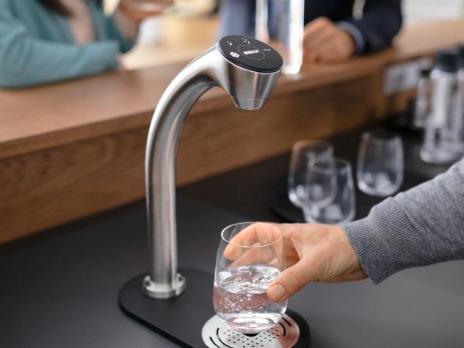
A strong hydration spend baseline does not need to be complicated. In most cases, seven buckets are enough.
1. Purchased Water
Start by listing every current source of drinking water spent over the last 6 to 12 months. Include bottled water, water cooler bottles, premium hospitality water, and any ad hoc purchases.
Track:
- supplier
- product type
- pack size or litres
- monthly spend
- annual spend
- delivery frequency
This gives you the core of your current direct cost.
2. Cups, Bottles, and Related Consumables
If your current setup depends on disposable cups or bottled stock for visitors, clients, or events, add those costs too. They are part of the hydration model, even if they sit in a separate office supplies budget.
If your business already encourages reusable bottles, note that as well. It may strengthen the case for a mains-fed solution later.
3. Delivery and Receiving Time
How often does someone need to receive, check, de-palletise, move, distribute and store hydration-related deliveries?
This cost is rarely recorded formally, but it is real. Even ten or fifteen minutes per delivery can add up significantly across a year, especially if deliveries are frequent or spread across multiple sites.
4. Storage and Space Use
Water takes space. That matters more than many organisations think.
If cases of bottled water or replacement cooler bottles are using cupboard space, stockroom space, or kitchen space, that space has value. It may not need to be converted into a perfect pound figure straight away, but it should at least be noted as a constraint in your baseline.
This is particularly important for city offices, compact kitchens, client-facing spaces, and buildings with limited back-of-house storage.
5. Cooling, Chilling, or Boiling Energy Use
Hydration does not stop at water purchase. If your current model relies on fridges to cool bottles or kettles to produce repeated rounds of hot drinks, energy forms part of the broader picture.
BRITA’s existing content already points to the operational value of plumbed-in solutions in workplaces, including the role they can play in reducing repeated boiling and improving access to chilled water throughout the day. That is one reason many businesses researching office water dispensers start by looking beyond simple bottle price comparisons.
6. Waste and Recycling
If your hydration model generates a high volume of plastic bottles, caps, wrapping, or disposable cups, include the waste burden in your review. Some businesses will be able to assign a direct cost. Others may simply record volume and frequency.
Even where the waste cost is not easy to isolate financially, it still matters operationally and environmentally. It can also influence stakeholder buy-in if the organisation has broader sustainability targets.
7. Admin and Supplier Management
How many suppliers, invoices, or internal approvals are tied to hydration-related spend?
Procurement teams often discover that part of the opportunity is not only lower spend, but simpler spend. Fewer emergency purchases, fewer small-value invoices, and clearer ownership can all create value.