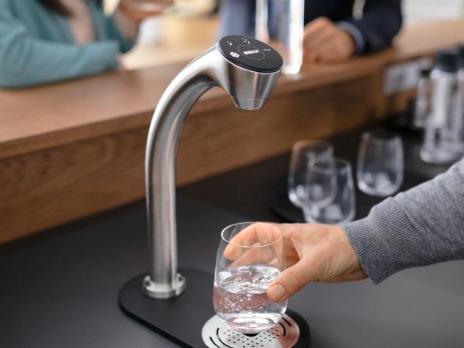

That matters because different stakeholders care about different outcomes. Executive leaders tend to focus on strategic value, brand standards and visible improvements. Finance teams want clearer cost logic and better spend control. Facilities teams are likely to care most about reliability, maintenance and ease of day-to-day management. ESG stakeholders want to see practical sustainability benefits. Operations wants to understand whether the solution will genuinely improve how the environment works for staff, guests and visitors.
If the same generic pitch is used for all of them, the project often loses momentum. A much stronger approach is to build a message matrix that connects the same proposed solution to the specific priorities of each group. Across most stakeholder groups, that case also becomes stronger when it is framed around Total Lifetime Value rather than upfront price alone, taking into account factors such as product longevity, energy consumption, service support, expected downtime, sustainability standards, materials provenance and credible proof of performance.
This article is designed to help you do that. It explores the top benefits of installing a water dispenser in an office or hotel, then shows how to present those benefits in a way that makes sense for exec, finance, facilities, ESG and operations. For procurement leaders trying to create early alignment, that can make the difference between a vague idea and a credible internal business case.