2026 Healthcare Hydration Statistics UK: Standards, Safety, and Sustainability Image

How Workplace Hydration Supports Health and Wellbeing: What Exec, HR and Facilities Need to See

Workplace hydration is often discussed as a simple wellbeing benefit. Most people already understand that drinking enough water matters, and many businesses want to make healthier choices easier for employees.

The real challenge is not whether hydration is a good idea. It is how to explain its value clearly to the different people who influence workplace decisions.

An executive team may want to understand whether better hydration access supports employee experience, workplace standards and long-term value. HR or people teams may focus on wellbeing engagement, daily habits and whether employees feel supported. Facilities teams need to know whether the solution is practical, reliable and easy to manage.

For a Corporate Facility Manager, this creates an important opportunity. Hydration can be positioned not only as a health and wellbeing topic, but as a practical workplace improvement that supports people, spaces and operations at the same time.

Key Takeaways

  • Workplace hydration supports health and wellbeing by making it easier for employees to drink water regularly during the working day.
  • The strongest business case connects hydration to daily comfort, employee experience, workplace convenience and operational simplicity.
  • Executives usually need to see strategic value, visible improvement and alignment with wider workplace goals.
  • HR and people teams usually need to see how hydration supports habits, engagement, inclusion and everyday wellbeing.
  • Facilities teams usually need to see practical evidence around placement, usage, maintenance, hygiene and service support.
  • A hydration plan works best when it is designed around real employee routines, not just installed as a piece of equipment.
  • Corporate Facility Managers are well placed to lead the conversation because hydration sits across access, shared spaces, upkeep and employee experience.

Why Workplace Hydration Belongs in the Wellbeing Conversation

Workplace wellbeing is often associated with larger programmes, such as mental health support, benefits, flexible working policies or wellbeing events. Those initiatives are important, but they are not the only way a workplace supports people.

Some of the most meaningful wellbeing improvements are the ones employees interact with every day.

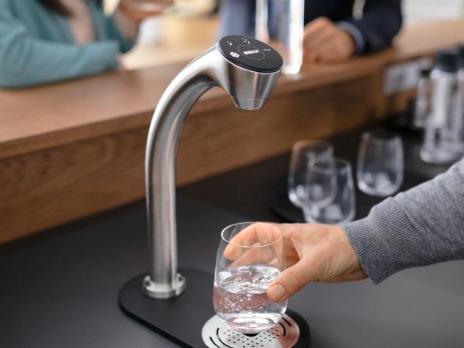
Hydration is a good example because it is simple, visible and practical. If employees can easily refill a bottle, access chilled water between meetings, make a hot drink without waiting around, or choose still or sparkling water in a shared space, the workplace removes a small but repeated source of friction.

That does not mean hydration should be overclaimed. A water dispenser will not solve every wellbeing challenge. It will not replace workload management, supportive leadership or a broader employee health strategy. However, it can contribute to a better working environment by making one basic daily need easier to meet.

For organisations reviewing commercial water dispensers, the question should not only be “which unit should we buy?” A better starting point is “what workplace outcome do we want this to support?”

That shift matters because hydration is not just a facilities decision. It can influence how employees use shared spaces, how supported they feel in the office, how sustainable the refreshment setup is, and how much day-to-day effort is required to manage water provision.

What Workplace Hydration Can Realistically Support

A strong hydration strategy starts with realistic expectations. The aim is not to suggest that better water access creates instant transformation. The aim is to show how a practical improvement can support several parts of the working day.

  • Better Daily Comfort

Employees are more likely to stay refreshed when water is easy to access, pleasant to drink and available in the places they already use. If water access is inconvenient, hidden away, limited to one area, or dependent on bottled stock being available, people may drink less regularly than intended.

Comfort matters because the office experience is built from repeated moments. A quick refill between calls, easy access to chilled water after a commute, or instant hot water during a busy afternoon can all contribute to a smoother working day.

  • Healthier Everyday Habits

Many wellbeing initiatives ask employees to change behaviour in a formal way. Hydration is different because it can be built into normal routines. Employees do not need to book a session, attend a workshop or learn a new process. They simply need water to be easy to access.

This makes hydration a useful low-friction wellbeing layer. When refill points are visible, well placed and appealing, they can help nudge more regular drinking habits without adding pressure to the working day.

  • A More Supportive Workplace Experience

Employees often judge a workplace by the practical details. Are shared areas clean and easy to use? Are basic needs considered? Does the office feel designed around real people, or does it feel like a space people simply pass through?

Hydration access can contribute to that wider perception. A considered water setup signals that the business has thought about the everyday experience, not only large policies or occasional wellbeing campaigns.

  • Reduced Friction in Shared Spaces

Facilities teams understand that small operational issues can create repeated frustration. Bottled water deliveries, storage, running out of stock, cluttered kitchens, slow kettles and limited refreshment points all add friction.

A well planned hydration setup can reduce some of that pressure. It can make kitchens, breakout spaces and meeting areas easier to manage, while giving employees more consistent access to the water options they need.

  • Sustainability and Refill Behaviour

Hydration also connects naturally to sustainability. When employees have easy access to filtered water, businesses can reduce reliance on single-use bottled water and support more visible refill habits in the workplace.

This is particularly useful because sustainability becomes something employees can participate in every day. It is not an abstract statement. It is a practical behaviour supported by the workplace environment.

Why Different Stakeholders Need Different Hydration Outcomes

One of the biggest mistakes in workplace wellbeing communication is using one generic message for everyone.

“Hydration supports wellbeing” may be true, but it is too broad to move an internal conversation forward. Different stakeholders need to understand the same topic through different lenses.

For a Corporate Facility Manager, the task is often to translate hydration into the language each group already uses. That does not mean changing the core message. It means showing the most relevant outcome first.

What Executives Need to See

Executives are unlikely to need detailed dispenser specifications at the start of the conversation. They need a clear reason why workplace hydration deserves attention as part of a broader employee experience or workplace improvement strategy.

The strongest executive message usually connects hydration to three priorities: people, place and value.

  • A Visible Employee Experience Upgrade

Leadership teams often want office improvements that employees notice and use. Hydration fits this well because it supports a basic need in a visible, everyday way.

A better water setup can improve kitchens, breakout spaces, reception areas and meeting zones. It can also make the office feel more modern, more considered and more supportive of daily work patterns.

For executives, this matters because workplace experience has become part of how organisations attract, retain and engage employees. A hydration solution is not the whole answer, but it can be one practical signal that the business is investing in the quality of the working environment.

  • Alignment With Wellbeing and Sustainability Goals

Executives are also likely to care about whether the improvement supports wider business priorities. Hydration can sit naturally across wellbeing, sustainability and workplace quality.

Instead of presenting it as a standalone perk, it can be framed as a practical workplace intervention that helps employees access water more easily, supports refill behaviour and reduces dependence on bottled supply.

  • A Clearer Business Case

Executive stakeholders do not need every operational detail, but they do need confidence that the project is credible. That means avoiding vague claims and focusing on outcomes the organisation can observe.

Useful executive-level evidence might include employee feedback, reduction in bottled water usage, improved satisfaction with shared spaces, visible uptake of reusable bottles, and alignment with workplace sustainability initiatives.

The executive message should be concise: better hydration access supports a better employee experience, creates a more modern workplace environment and contributes to wider wellbeing and sustainability goals.

What HR and People Teams Need to See

HR may not be the approved target persona for this content, but in many organisations, HR or people teams still influence wellbeing priorities. For that reason, Corporate Facility Managers may need to help them understand how hydration supports the employee experience.

The HR message should focus less on equipment and more on behaviour, inclusion and wellbeing engagement.

  • A Wellbeing Action Employees Can Actually Use

Some wellbeing initiatives struggle because they require employees to take time out of their day. Hydration is easier to embed because it already fits into existing routines.

Employees can refill before a meeting, grab water at lunch, use a hydration point during breaks, or choose hot water during the day. This makes the intervention practical rather than theoretical.

For HR teams, that is valuable because the best wellbeing ideas are often the ones people can adopt without extra complexity.

  • Support for Everyday Health Habits

Hydration can support healthier daily habits because it removes barriers. If fresh water is easy to access, employees are more likely to drink it. If the nearest option is inconvenient, unappealing or limited, hydration can become something people ignore until they feel thirsty.

The HR message should be careful and grounded. Better water access does not prove improved wellbeing on its own. It supports one part of a healthier daily routine.

  • A More Inclusive Workplace Experience

Hydration planning can also support inclusion when access is considered properly. Different employees may use different parts of the workplace, work different schedules, attend meetings in different zones or have different preferences for chilled, ambient, hot or sparkling water.

A good hydration plan asks practical questions. Are water points easy to find? Are they available near the areas people actually use? Are they accessible during busy periods? Are there enough options to support different routines?

This is where facilities and people teams can work together. HR can help define the employee experience needed, while facilities can make sure the environment supports it properly.

  • Better Wellbeing Feedback

HR teams often rely on surveys, pulse checks and engagement feedback. Hydration can be included in that conversation in a simple way.

Rather than asking whether a water dispenser improved wellbeing overall, ask more practical questions:

  • Is it easier to stay hydrated during the working day?
  • Are refreshment areas more convenient to use?
  • Do employees feel the office supports their basic daily needs?
  • Are water points in the right places?
  • What would make access better?

This gives HR more useful feedback and gives facilities clearer information for improvement.

What Facilities Teams Need to See

For facilities teams, the hydration conversation must become practical quickly. A good idea is not enough if it creates extra maintenance, unclear ownership or operational hassle.

This is why office water dispensers need to be assessed by how well they fit the real workplace, not only by how appealing the concept sounds.

1. Placement and Access

Facilities teams need to know where hydration points should go. Placement can affect adoption more than many businesses realise.

A dispenser hidden in a low-traffic corner may be technically available but rarely used. A unit placed near kitchens, breakout areas, meeting rooms or natural walking routes is more likely to become part of daily behaviour.

Useful placement questions include:

  • Where do employees naturally move during the day?
  • Which areas become busy during peak times?
  • Are meeting rooms, reception areas or breakout spaces underserved?
  • Would one central point be enough, or would multiple hydration points work better?
  • Could placement reduce pressure on existing kitchens or refreshment areas?

2. Reliability and Maintenance

A hydration solution only supports wellbeing if employees can depend on it. Downtime, inconsistent water quality, poor servicing or unclear maintenance responsibilities can weaken trust quickly.

For facilities teams, the most relevant outcomes are often simple: fewer interruptions, predictable servicing, easy upkeep and reliable access.

This is where supplier support matters. Facilities teams need to understand what is included, who maintains the system, how service issues are handled and whether the solution reduces workload rather than adding to it.

3. Hygiene and User Confidence

Shared water points must feel safe, clean and easy to use. Hygiene is not only a technical requirement. It also influences whether employees are comfortable using the dispenser regularly.

Facilities teams should look for clear information about filtration, hygiene features, cleaning responsibilities and service schedules. If the system is being positioned as part of a wellbeing strategy, employees need confidence in the water quality and the shared-use experience.

4. Water Types and Workplace Fit

Different workplaces need different water options. Some offices may only need chilled still water. Others may benefit from hot, ambient, sparkling or semi-sparkling options, especially where the dispenser supports kitchens, meeting rooms or client-facing areas.

Choosing the right configuration matters because the goal is not simply to install equipment. The goal is to create a water experience employees will actually use.

If the team is still comparing options, BRITA’s guide on which water dispenser is best for my business can help frame the decision around environment, usage and business needs.

How Corporate Facility Managers Can Bring the Case Together

A Corporate Facility Manager sits in a strong position because hydration touches several parts of their role. It affects shared-space quality, employee experience, service management, sustainability and operational simplicity.

The most effective approach is to build a joined-up case that gives each stakeholder what they need without overcomplicating the message.

1. Start With the Workplace Problem

Avoid starting with the product. Start with the current workplace friction.

That might include:

  • Employees relying on bottled drinks.
  • Hydration points being too far from key areas.
  • Kitchens feeling crowded or under-equipped.
  • Bottled water taking up storage space.
  • Meeting rooms lacking easy refreshment options.
  • Employee feedback suggesting poor shared-space experience.
  • Sustainability teams wanting visible refill behaviour.

Once the problem is clear, the solution becomes easier to justify.

2. Define the Outcome by Stakeholder

Each stakeholder should see a relevant outcome.

For executives, the outcome might be a better employee experience and a more modern workplace.

For HR or people teams, the outcome might be easier daily wellbeing habits and stronger feedback around office support.

For facilities, the outcome might be low-hassle hydration provision, fewer bottled water logistics and a more manageable shared-space setup.

For sustainability teams, the outcome might be reduced single-use plastic reliance and increased refill behaviour.

For procurement, the outcome might be a clearer view of long-term value and supplier support.

3. Keep Measurement Practical

A hydration plan does not need an overcomplicated measurement model. In fact, too much measurement can make the project harder to maintain.

A practical scorecard might include:

  • Number and location of hydration points.
  • Usage trends by area, where available.
  • Employee feedback on convenience and water quality.
  • Reduction in bottled water orders.
  • Observed refill bottle use.
  • Shared-space satisfaction.
  • Service or maintenance issues.
  • Waste reduction indicators.

The goal is not perfect proof. The goal is to understand whether better water access is improving one part of the workplace experience.

What a Good Workplace Hydration Plan Looks Like

A good hydration plan should be simple enough to implement but clear enough to review. For most offices, it can be built around five steps.

1. Map Current Access

Start by identifying where employees currently get drinking water. Look at kitchens, taps, meeting rooms, breakout spaces, reception areas and any bottled water storage points.

This helps identify whether the issue is availability, location, quality, convenience or consistency.

2. Identify Priority Zones

Not every area needs the same solution. A high-traffic kitchen may need a different setup from a quiet meeting room or reception space.

Priority zones are usually the places where better hydration access would remove the most friction. These may include central kitchens, large breakout areas, visitor spaces, collaboration zones and floors with limited refreshment access.

3. Match Water Options to Employee Needs

Think about what employees are most likely to use. Chilled still water may be the priority in one office. Hot water may be important in another. Sparkling water may support a more premium experience in client-facing spaces or modern breakout areas.

The best solution is the one that fits real behaviour.

4. Plan Communication

Employees need to know what has changed and why. A short message can explain where the hydration points are, what water types are available and how the change supports wellbeing and sustainability.

This is especially useful when the business wants hydration to become part of a broader workplace wellbeing story.

5. Review After 30, 60 and 90 Days

A phased review gives the business time to understand adoption.

At 30 days, check whether employees know the dispenser is there and whether placement is working.

At 60 days, review behaviour, feedback and any practical issues.

At 90 days, assess whether the setup is supporting the intended workplace outcomes and whether improvements or expansion are needed.

How Hydration Supports Health and Wellbeing in Practice

The answer to “How does workplace hydration support health and wellbeing?” is simple but important: it makes healthy hydration easier to maintain during the working day.

The more useful answer is that workplace hydration supports wellbeing when it is designed around employee routines, placed where people need it, maintained reliably and linked to wider workplace goals.

That is why the conversation should move beyond “water is good for people.” The real value sits in the environment the business creates.

A well-planned hydration setup can support:

  • Easier access to water throughout the day.
  • More regular refill habits.
  • Greater comfort during busy work periods.
  • Better use of kitchens and breakout spaces.
  • A more considered employee experience.
  • Reduced reliance on bottled supply.
  • More visible sustainability behaviour.
  • A practical wellbeing improvement employees can use every day.

For more context on the wider office case, BRITA’s article on the Benefits of Having Water Dispensers in an Office explores the practical advantages of dispenser access across productivity, convenience, sustainability and water quality.

Turning Hydration From a Perk Into a Workplace Outcome

Hydration is sometimes treated as a small office perk. That undersells its value.

When it is planned properly, hydration becomes part of how the workplace supports people. It helps employees meet a basic daily need, improves shared-space functionality, supports refill behaviour and gives facilities teams a more manageable way to provide water across the office.

For a Corporate Facility Manager, the strongest case is not emotional or overly broad. It is practical.

Better hydration access can support wellbeing because it makes good habits easier. It can support executives because it contributes to a better workplace experience. It can support HR because it gives employees a visible, usable wellbeing improvement. It can support facilities because it creates a clearer, more reliable and lower-hassle approach to water provision.

That is the message worth taking into internal conversations.

If your organisation is ready to review hydration access, improve shared spaces or build a more practical wellbeing plan, you can contact us for a quote about water dispensers.

FAQs about Workplace Hydration and Wellbeing Outcomes

How does workplace hydration support health and wellbeing?

Workplace hydration supports health and wellbeing by making it easier for employees to drink water regularly throughout the day. When water is easy to access, pleasant to use and available in the right locations, employees are more likely to build hydration into their normal routines.

Why should businesses treat hydration as part of workplace wellbeing?

Hydration belongs in workplace wellbeing because it supports a basic daily need. It is simple, practical and used throughout the working day, which makes it a useful support layer alongside wider wellbeing initiatives.

What should executives care about when reviewing workplace hydration?

Executives usually need to see how hydration supports employee experience, workplace standards, sustainability goals and long-term value. They do not need every operational detail first. They need a clear, credible reason why the improvement matters to the business.

What should HR teams look for in a hydration plan?

HR teams should look for whether hydration access supports everyday habits, employee comfort, inclusion and wellbeing engagement. Feedback from employees can help show whether the setup is genuinely making it easier to stay refreshed at work.

What matters most to facilities teams?

Facilities teams need to know whether the solution is practical, reliable and easy to manage. Placement, servicing, hygiene, water options, maintenance responsibilities and day-to-day usage are usually the most important factors.

How can a business measure the impact of better workplace hydration?

A business can measure impact by tracking practical signals such as employee feedback, usage patterns, refill behaviour, reduction in bottled water orders, shared-space satisfaction and service reliability. The aim is to understand contribution, not to overclaim that hydration alone changes overall wellbeing.

Who should own a workplace hydration project?

In many offices, the Corporate Facility Manager is well placed to lead the project because hydration sits across access, shared spaces, maintenance, employee experience and operational practicality. HR, sustainability, procurement and leadership teams may all contribute, but facilities often connect the plan to real workplace delivery.

Related content

Invisible Waste Small Teaser (Mobile) - 464x348

Almost half of businesses leave equipment on overnight

BRITA's new campaign uncovers how much energy and money businesses potentially waste by leaving their equipment on overnight and provides essential insights to help businesses cut energy usage across three key sectors – Corporate, Hospitality and Healthcare.

BRITA - Gym Cycling (880x880)

How To Choose The Ideal Water Dispenser For Your Gym

From installation to water types, see our suggestions on why choosing to install a water dispenser in your gym environment.

2021_BRITA_Extra_C-Shape_small_tap_glas_710x400

Healthy office, healthy mind: promoting wellbeing with your office facilities

“Research shows that happy staff really are better staff. If businesses ensure they are creating a positive environment for their staff, they’ll reap the benefits"