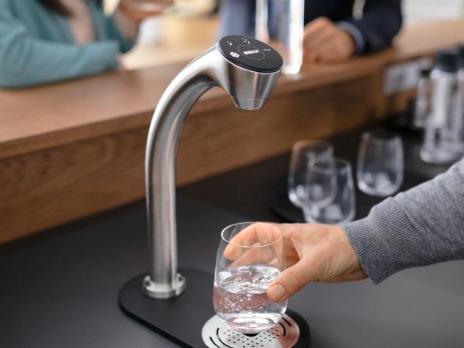
A strong hydration measurement plan usually works best when it combines five layers rather than relying on one headline metric.
1. Access
Start with the simplest point: can people get water easily?
This includes:
- how many hydration points exist
- where they are placed
- whether they are close to kitchens, meeting rooms or breakout areas
- whether they are visible and easy to reach
- whether different teams or floors have similar access
- whether the water options match how employees actually prefer to drink
Access is the foundation of the whole intervention. If employees have to go out of their way, queue too often, or use a location that does not fit their workflow, the rest of the wellbeing case becomes weaker.
This is where workplace layout matters. Businesses often see stronger engagement when office water dispensers are placed in high-traffic, natural-use areas rather than tucked away as a secondary facility.
2. Usage
Once access is in place, the next question is whether people are actually using it.
Usage indicators might include:
- average daily or weekly dispense volume
- refill frequency by location
- peak usage periods
- differences between floors or departments
- uptake of still, chilled, sparkling or hot water options
Usage data matters because it shows whether the workplace has moved beyond intention. A hydration point that looks good but changes no real behaviour is not yet functioning as a true wellbeing intervention.
3. Behaviour Change
Behaviour is where the wellbeing angle starts to become more visible.
This can include:
- more employees bringing reusable bottles
- more frequent refill habits during the day
- fewer ad hoc purchases of bottled water
- better integration of hydration into normal break patterns
- easier hydration during busy office days
This layer is especially useful because it connects the environment to habit. If the office makes hydration easier, employees are more likely to act on it consistently.
Many of the small habit prompts that support this kind of change overlap with the practical advice BRITA already covers in how to stay hydrated at work, especially around building more regular hydration into the working day.
4. Wellbeing Signals
This is the area that needs the most care. You are not trying to prove that hydration alone transformed employee wellbeing. You are looking for sensible supporting indicators.
Examples might include:
- employee feedback on refreshment quality and convenience
- perceived ease of staying hydrated during the workday
- reported satisfaction with kitchen or breakout facilities
- employee comments linked to comfort, refreshment and workplace support
- inclusion of hydration in broader wellbeing pulse surveys
- longitudinal improvement in illness-based absenteeism
This part of the plan works best when hydration is measured as one contributing factor rather than a standalone cure-all. In other words, you are not asking employees whether water solved everything. You are asking whether better hydration access improved one part of how the workplace supports them.
5. Operational and Sustainability Outcomes
Hydration interventions also create practical outcomes beyond individual wellbeing.
These might include:
- lower bottled water purchasing
- reduced plastic waste
- less kitchen clutter
- simpler refreshment management
- better use of shared-space facilities
- reduced need for emergency bottled top-ups
- stronger alignment with workplace sustainability goals
These outcomes matter because wellbeing interventions often gain internal support when they improve several workplace priorities at once.